
Creating a Stress Free Wedding Day Timeline

Planning a wedding is exciting, but it can also feel overwhelming!!
One of the best ways to make sure your day runs smoothly is to create a stress-free wedding day timeline.
As wedding photographers and videographers, we aren't the wedding planners or the day of coordinator.
BUT! We are there to follow the game plan given to us!
We have seen firsthand how much a thoughtful timeline can improve your entire experience.
In this guide, we will walk through why a timeline matters and share a few helpful tips to help you create a smooth and enjoyable wedding day!
Let's get started!

Why a Stress Free Wedding Day Timeline Matters
A stress free wedding day timeline does more than keep things organized.
Without a clear timeline, the day can start to feel rushed. Important moments might be squeezed into short time frames, which can make the experience stressful for everyone involved.
On the other hand, when there is a thoughtful schedule in place, the day tends to feel calm and enjoyable.
A well planned timeline also helps your vendors work together efficiently. Your photographer, videographer, planner, DJ, and caterer all rely on timing to do their jobs well. When everyone understands the schedule, it creates a smoother experience for both the couple and their guests.
Most importantly, a good timeline allows you to stay present. Weddings go by quickly, and the more relaxed the schedule is, the more time you have to soak in each special moment!

Key Moments to Include in Your Timeline
Every wedding is unique, but there are certain parts of the day that almost always need dedicated time in the schedule.
Here are some of the most important moments to consider when building your timeline:
Getting Ready Photos (20-30 min): Hair, makeup, and getting dressed often take longer than couples expect. But your photographer doesn't need to be there the whole time. You should be all ready, just need to hop into your dress by the time the photographer gets there. Getting those staged, getting ready shots afterward should take about 20-30 minutes. It is helpful to give yourself extra time in the morning so the day begins calmly rather than feeling rushed.
Detail Photos (20-30 min): Your photographer will usually spend a little time capturing details like rings, invitations, shoes, and other meaningful items. Setting aside 20 to 30 minutes for these photos ensures nothing feels hurried.
First Look or Pre-Ceremony Photos (1-2 hours): If you choose to do a first look, this is a great time to schedule couple portraits and wedding party photos before the ceremony. It can make the rest of the day feel much more relaxed.
The Ceremony (30-45 min): Ceremonies vary in length, but it is helpful to plan a little buffer time afterward for congratulations and hugs from family and friends.
Family Photos (1-2 hours): Family portraits are an important part of the day. Having a prepared list of the groupings you want can help this part move quickly and smoothly.
Sunset Portraits(30-45 min): Many couples love stepping away for a few minutes during sunset for beautiful portraits. These are often some of the most memorable photos of the day.
Reception Events (2-4 hours): Your timeline should also include key reception moments like the grand entrance, first dance, toasts, cake cutting, and open dancing.
When each of these moments has a clear place in the schedule, the entire day tends to flow more naturally.
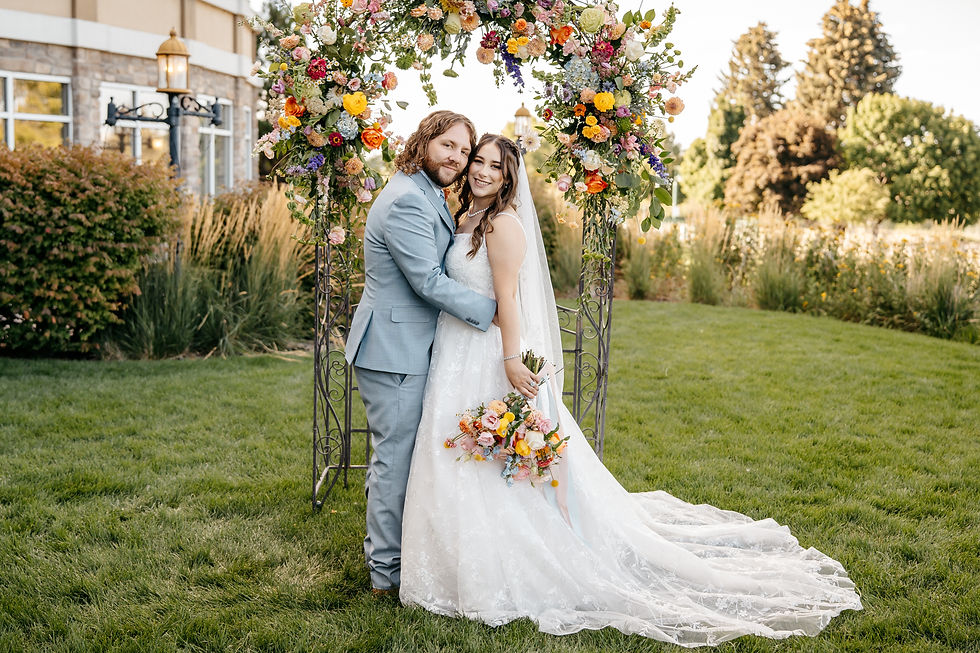
Common Timeline Mistakes Couples Make
Even with the best intentions, some timelines become stressful simply because there is not enough time built in. Here are a few common mistakes to avoid.
Not Leaving Buffer Time: Small delays happen at almost every wedding. Hair and makeup can run long, transportation can take extra time, or family members might be hard to gather. Adding small buffer periods throughout the day helps keep everything on track.
Scheduling Too Many Activities Back to Back: Trying to pack too much into a short window can make the day feel rushed. Allowing a little breathing room makes a big difference.
Underestimating Photo Time: Wedding portraits, wedding party photos, and family photos all take time to organize and capture properly. Giving your photographer enough time ensures you receive the best possible images.
Not Consulting Your Photographer: Photographers and videographers have seen hundreds of wedding timelines. Their experience can be incredibly helpful when deciding how much time to allocate for each part of the day.

Tips for Creating a Smooth Wedding Day
Creating a stress free wedding day timeline does not have to be complicated. A few simple planning strategies can make a big difference.
Start by talking with your photographer and planner early in the process. They can help you estimate realistic time frames for each part of the day.
Next, build your timeline around the most important moments. The ceremony, portraits, and key reception events should be the foundation of the schedule.
It is also helpful to add small buffer periods throughout the day. Even ten extra minutes here and there can prevent the schedule from feeling rushed.
Finally, remember that your wedding day is about celebrating your relationship. A thoughtful timeline simply creates the space for those moments to unfold naturally.

Enjoying Your Wedding Day
At the end of the day, the goal of a stress free wedding day timeline is simple. It allows you to enjoy every moment without feeling rushed or overwhelmed.
When the schedule is carefully planned, couples often feel more relaxed and present. They have time to laugh with their wedding party, spend meaningful moments with family, and enjoy the celebration they worked so hard to plan.
Your wedding day will pass quickly, but a well-planned timeline helps ensure that every important moment has the time and attention it deserves. And when that happens, the memories captured in your photos and videos become even more meaningful for years to come!


Read "Creating a Stress Free Wedding Day Timeline" a moment ago, and it gave me a useful reminder to stay intentional. A detail that stayed with me: Creating a Stress Free Wedding Day Timeline Makenzi Starr Mar 11 4. It also connects nicely with Turn typed text into handwritten-looking pages with font, paper,. Thanks for sharing this. handwriting generator